Otter
"Lutra Canadensis"
Order - Carnivora Family - Mustelidae
River otter are highly skilled swimmers. Rough fish make up a substantial portion
of an otter's diet, although game fish of medium size are occasionally caught
and eaten. Great travelers, otter circuits may cover 60 or more miles, and take
weeks to complete. This species enjoys play, and otters commonly play either alone
or with others of their kind. Powerful and streamlined furbearers, otter are
recognized as one of the more intelligent species.
Description
Otter have long, slender bodies with relatively short legs. The neck is long
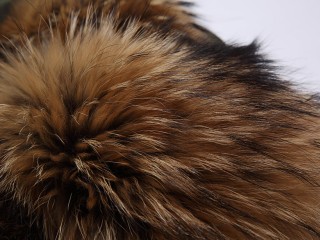
and muscular, as is the tapered tail. Otter fur is considered as a short haired
fur. Guard hair lengths are about one inch with under fur lengths of about 3/4
inch.Coloration is brown, with chocolate colors common in southern states, and
darker colors common in northern states. Otter from all areas are lighter in
color on cheeks, throats and bellies.
Males are larger than females. Adult
males may measure 48 inches in length, and weigh up to 25 pounds. Adult females
are usually 4 to 6 inches shorter, and seldom weigh more than 19 pounds.
There
are 5 toes on each foot. A web of skin connects the toes on each foot.
Claws are strong and nonretractable. Otter have 36 teeth, including 4 long and
sharp canine teeth. Valves are present in an otter's nose and ears which close
automatically as the otter submerges.
A pair of anal musk glands are present
on both males and females. This musk can be released when the otter is frightened,
but it is not as offensive as the musk of other members of the mustelid,
or weasel, family.
Reproduction
Breeding occurs over most of the otter range during March and April, only a
few days after the litter is born. Males leave after breeding to find other females,
but may return 6 to 8 weeks later to join the family.
Delayed implantation
occurs, and this varies a great deal. Implantation of the fertilized eggs
may take 7 to 10 months before the free-floating eggs attach themselves to
the uterus walls to complete the 60 to 65 day gestation. Litter sizes average 2
or 3, with 4 being uncommon. Most otter do not mate until they are two years old.
Abandoned
beaver dens are often selected by the female otter for the natal
dens. At times, an otter will use a dry land den near the water to raise the
litter. All young must be taught to swim.
Habits
Except for the raising of the litter, otter seem to be constantly on the move
from place to place. They do not seem to defend their territories from other
otter, and overlapping of regular territories do occur often.
The availability
of food, as well as the season, determines how far the individual otter
ranges. During summer months when food is easily available, otter may stay within
a 20 square mile area. during winter conditions, the same otter may circulate
over 60 or more square miles. Circuit times vary as well, and an otter may complete
a summertime circuit in a week as compared to wintertime travels taking
3 or 4 weeks.
Otter commonly travel by swimming and loping along shorelines,
but they do not hesitate to take off overland to reach a distant steam or pond.
These overland trails may be very distinct when otter populations are high.
Otter certainly enjoy sliding on mud or snow. Under favorable conditions,
they might bound 3 or 4 times and then slide for yards before continuing to
bound and slide some more. Mud slides down steep banks into the water are commonly
used in many northern areas as the otter or family of otter take turns climbing
the bank to slide down the slide into the water head first.
Otter have
a high metabolic rate, and food passes through the entire digestive system in
about an hour. Small fishes are eaten whole. Often an otter will eat a fish while
floating in the water on its back, holding the fish much like a person eating
corn on the cob. After eating, otter commonly vomit up an abundance of fish
scales and bones. This prevents a large number of valueless scales from passing
through the entire digestive system.
The elongated body, webbed feet and
powerful tapered tail allow the otter to be very quick in the water, and they
can swim at least 1/2 mile while submerged. When an otter chooses to swim quickly,
it undulates its entire body up and down in a ship-like fashion with their
front legs held tightly to the body.
Commonly eaten foods include many types
of minnows, sunfish, suckers, perch and scultins in western habitats. Also eaten
are crayfish (claws not eaten), water snakes, frogs,and aquatic insects. Muskrats
are eaten when available, as are mice.
Otter are not known to store
food. Although an otter does not kill more food than it will eat, the high rate
of metabolism keeps the furbearer hungry much of the time.
Young otter
will often stay with their mother through their first winter season. Oftentimes,
the young will follow the mother in a single file fashion, both on land and in
the water.
General
Although otter can and do eat trout, they usually help a trout stream by helping
to contain populations of rough fish. When fish are so abundant as to become
stunted, predation certainly allows more food for the remaining fish. Although
otter sometimes kill muskrats and ducks, the numbers are so small as to be
insignificant. Otter can devastate fish farms.This is most apt to happen during
the spring when a family of otter may be denned for 2 or 3 months.
Adult
otters are rarely killed by other predators. Lynx and wolves can kill them, and
juvenile otter may also be vulnerable to predation by bobcats and coyotes.
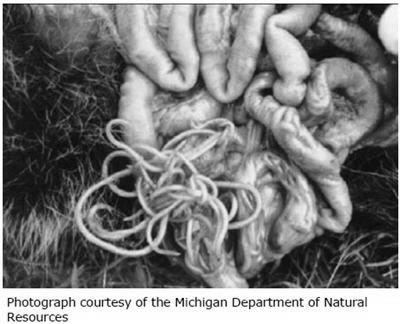
Otter
are relatively free of parasites due to infrequent uses of dens, constant
traveling habits and little contact with other otter that are not family members.
However, they are vulnerable to poisons which often show up in fish. Fish
killed by acid rain may poison otter, and lethal amounts of DDT, PCB's, and
mercury have been found in otter.
A significant habitat loss of otter has
occurred over much of their historic range. Farming practices in many area allow
muddy and silty water with each rainfall, which discourages fish production as
well as interfering with an otter's ability to locate food by sight.
Otter
are considered to be old at 15 years.


Source: NTA Trapping Handbook by Tom Krause