Beaver
"Castor Canadensis"
Order - Rodentia Family - Castoridae
The beaver is the largest North American rodent. A common furbearer, the beaver inhabits
waterways of every North American state and Canadian Province. A unique
paddle shaped tail distinguishes the species and self-sharpening teeth allow beavers
to mow down sizable trees. Beaver often alter the landscape with the construction
of dams, canals and lodges. Beaver are territorial as long as the habitat
will support family groups called "colonies". Beaver are powerful animals
both on land and in the water.
Description
Beaver continue to grow in size throughout life, and weights in excess of 60
or 70 pounds do occur when foods are abundant and accessible during the entire
year. Unlike many other species, females are as large as males of the same age,
and they sometimes are larger. A paddle shaped, leathery tail, positively identifies
the species. An adult's tail is usually about 10 inches long, and 5 or
6 inches wide, with a thickness of 1/2 inch in the middle.
The hind feet
of beaver are fully webbed, and large. These feet often measure 6 inches in length,
and the spread of the toes is equal to or greater than the length as the beaver
swims. Five toes with strong nails are found on the hind feet, including
unique split toenail on one toe which serves the beaver as a comb for grooming.
The front feet seem small in contrast to the hind feet. These feet measure 2 1/2
to 3 inches in length and are not webbed at all. Beaver normally swim with their
front feet held against their chest, and the large webbed hind feet provide
the propulsion with the tail acting as a rudder.
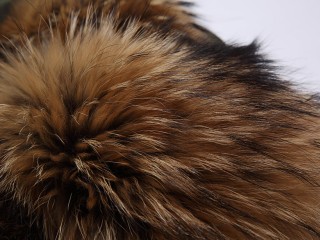
Guard hairs in beaver fur
are 2 inches in length, overlaying a soft and dense underfur about an inch deep.
Colors vary from section to section, and from blonde colors to nearly black.
Both male and female beaver have large glands, called castors, beneath the skin
on the lower bellies. These glands produce an oil which the beaver combs into
its fur to waterproof it. This oil is also deposited by the beaver at selected
locations as territorial markers or mating attractants in the spring of the
year.
Beaver have transparent eyelids which cover the eyes as the beaver submerges,
enabling the beaver to see well when submerged as the eyeball is protected
from abrasive particles suspended in the water. The ears and nose of a beaver
have valves that close as a beaver submerges, preventing the entry of water.
Two upper and two lower incisor teeth dominate the front of a beaver's mouth.
The upper incisors overlap the lower incisors, and friction from chewing causes
the teeth to self-sharpen to chisel sharpness.
Similar to birds and reptiles,
beaver have a single lower body opening, known as a cloaca. This single
opening serves the urinary and bowel tracts, the secreted oil from the castor glands,
and covers the reproductive organs of both males and females.
Reproduction
Beaver usually live in family units consisting of the older mated pairs, young
from the previous year, and young from the current season called kits. Breeding
season takes place in late January or February in most states. Young from
the previous year are about 22 months of age at this time and they are evicted
from the colony to relocate and seek mates of their own. The gestation period of
beaver is 107 days and the adult male and kits usually take up a temporary residence
in a bank den while the new litter is being born in April, May or June.
The birthing process may take several days, and 3 to 5 kits are a typical litter
size. Beaver kits are fully furred when born, their eyes are open, and the incisor
teeth are visable. Newborn beaver kits take to the water easily, and they
might be swimming before they are one day old. Most adult beaver are monogamous,
and stay with their mate throughout life.
Habits
Beaver require deep water for protection from their enemies, and they alter
the landscape a great deal with dam building and flooding. Dams can be hundreds
of feet in length, and vary in height from only a few feet to 7 or 8 feet, and
even higher at times.
Permanent lodges are often constructed by piling layer
after layer of sticks into a large conical form above the waterline. Two or
more underwater tunnels are then chewed up into the pile, and an inner chamber
hollowed out to serve as a living quarters. Finally the outside of the lodge
is plastered with mud and rocks, except for the peak, which is left porous enough
to allow an air exchange to the inner chamber. There are two levels to the chamber.
One level is near the waterline near the "plunge holes", where the beaver
shed water before climbing to the higher resting or nesting areas.
In areas
prone to flooding, or where strong currents may be present, beaver usually
construct bank dens by digging tunnels from underwater up into banks. Bank dens
often have two or more submerged entrances. Many times the beaver will construct
a pile of sticks over the tops of the underground living chambers. These piles
of sticks are sometimes called "caps".
Shallow pockets are sometimes dug
into banks near the waterline and these are known as "feed pockets". In northern
areas, beaver construct "feed piles" by submerging large amounts of small
trees and limbs to serve as a food source after ice prevents the beaver from activity
above the ice. These feed piles are usually constructed close to the den
as a convenience to the kit beaver, who do not normally travel far from the den
itself.
At times, solitary beaver will be found living alone. These beaver
are known as "bachelors", whether they are male or fernale.
Adult beaver
mark out their territories in early spring by dragging up mud and debris from
the bottom and depositing the debris in mounds along the shores, where they also
deposit oil from their castor glands. These "castor mounds" often leave a reddish
stain on the bank, and the odors are powerful enough for a human to easily
detect.
Beaver are very territorial, and territories seldom overlap. Generations
of beaver may continuously inhabit a choice area, even building canals
to help float food from inland cutting sites. If and when food supplies are exhausted,
they do relocate to better area. Once beaver have determined to claim
a territory, they are very difficult to dissuade. If the activities of the beaver
flood roads or damage property, the beaver usually have to be removed to prevent
reoccurring damages.
Although beaver normally submerge for 3 or 4 minutes
at a time, they are quite capable of holding their breath for 12 to 15 minutes.
They exhale a little in spurts as they swim or work under water, and a large
beaver is quite capable of traveling nearly 1/2 mile under the surface before
it must surface for more air.
Migrations of beaver usually occur with the
breaking up of ice in late winter or early spring as the 22 or 23 months old
beaver are expelled just prior to birthing time for the new litter. These beaver
may chose to go up or downstream. Although these beaver are capable of reproducing,
they usually do not until the next season, after a mate and a new territory
have been established. Most new colonies are established within a few miles
of the home colony.
Beaver are primarily vegetarians although an occasional
beaver may eat a dead fish. Preferred foods include the bark of aspen, willow,
cottonwood, and dogwood, and many other varieties of trees and shrubs. In early
spring, beaver will often eat bark and twigs of evergreens. In season, beaver
will also eat water lillies, leaves, grassses, roots, and a variety of crops
including corn, wheat, oats, carrots, potatoes, apples, clovers, and alfalfa.
General
Beaver usually alter the habitat a great deal with the building of dams, and
the resulting flooding of lowlands. The deeper water behind dams creates a better
habitat for muskrats, and a variety of other wildlife species such as fish
and waterfowl. Mink and otter hunt regularly around beaver dams. These locations
provide suitable denning sites as well for these furbearers.
Dam building
on trout streams can have an adverse effect on trout survival by slowing the
water and allowing it to warm to temperatures higher than the trout can tolerate.
Dams also serve as barriers to migrating trout and salmon. At times, beaver
cause significant amount of property damage by cutting trees, and flooding large
areas also killing the timber. Culvert plugging is common, and often causes
roads to flood and to wash out,
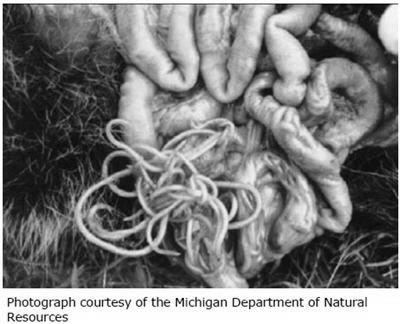
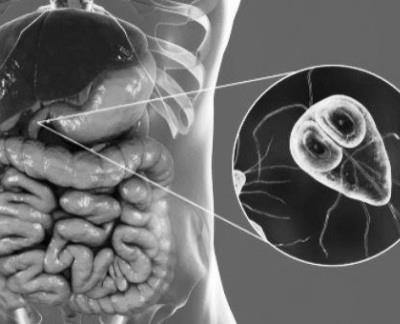
Beaver are also host to an internal parasite,
giardiasis. Water reservoirs inhabited by beaver can and do become contaminated
by the giardiasis cysts, which are too small to be filtered out of the drinikng
water. These cysts hatch in the small intestines of people who drink the
contaminated water resulting in diarrhea, nausea, and stomach aches.
Serious
beaver predators include mountain lions, wolves, lynx and bobcats. At times,
a bear can and will kill mature beaver. Juvenile beaver are vulnerable to coyotes,
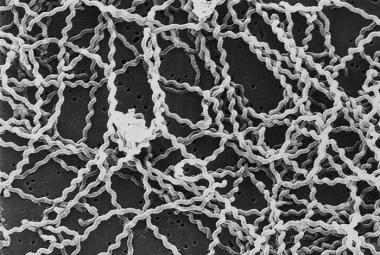
eagles, and large owls as well. Tularemia can be a devastating disease in
beaver, wiping out entire populations when conditions are good for disease transmissions.
Tularemia infects livers, and is usually fatal to beaver of all ages.
A
beaver is considered to be old at 12 years of age.


Source: NTA Trapping Handbook by Tom Krause