Red Fox
"Vulpes Vulpes"
Order - Carnivora Family - Canidae
The red fox is easily recognized by its color. This species is native to North America,
and red foxes are widely distributed in the United States and Canada. Red
fox are suspicious by nature. Many fox have earned reputations as being clever.
This species can adapt to many climates, habitat types, and human population
densities. An important farmland predator, red fox are considered by many trappers
as being one of the more dificult to trap species.
Description
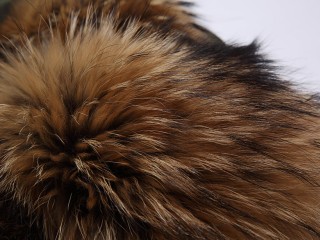
The long fur of red fox gives them an appearance of being larger than they
really are. Red fox commonly weigh 10 to 12 pounds in many areas with occasional
large specimens weighing up to 14 pounds. Red fox are slightly heavier in the
northern parts of their ranges, and slightly lighter in far southern locations.
Distinctive marks of red fox include feet that are usually black, with
black fur also on the backs of the ears. A white tipped tail is common, and the
red colors of the fur mute with grayish or whitish fur on the throat, bottom of
the neck and belly areas. Colors vary in sections and with individuals. Many
southern red fox are blondish, and darker reddish colors are usually found in northern
farmlands and forests. Red fox on the western high plains are somewhat
pale in color.
Color phases do occur with red fox, even in the same litters.
Color phases are much more apt to occur in northern or colder regions and almost
never occur in southern regions. Other than the most common color of red,
red fox can be black, silver or a cross between red and silver, known as "cross
fox". Black fox have black tipped guard hairs, and silver fox are black with
white tipped guard hairs. Cross fox often have reddish sides and dark along the
middle of the back area, with a cross of dark colored fur running from one front
leg over the back to the other front leg. Relatively uncommon are red fox known
as "bastard" fox and "Sampson" fox. Bastard fox lack color and are brownish
or greyish in color. Sampson fox have few or no guard hairs in their fur.
The
eyes of the red fox are yellow or amber in color, with elliptical pupils.
Red fox also have 42 teeth, including 4 canine teeth to help them catch and kill
prey species.
Reproduction
Male and female red fox begin to pair up in December or January, and mating
is usually accomplished in January. Evidence suggests that red fox do pair up
with the same mates of the past year, if both are still alive. The litter is born
52 or 53 days later, usually about mid-March, in an underground den. These dens
are often located on slopes with good visibility in all directions, and several
entrances and connecting tunnels are typical. Oftentimes, these dens are abandoned
woodchuck or badger diggings, which were renovated by the fox. The average
litter size for red fox is 6 to 8 pups.
During the first week after birthing,
the female stays in the den with the newborn pups, and the male brings
food to the female at the den opening. Later on, both mates hunt to provide food
for the litter.
Fox usually have an alternative den selection. The female
will not hestiate to move the litter if she feels that the den is threatened.
Red fox have one litter a year.
Habits
Red fox have keen senses of sight, hearing and smell which they use to advantage
in avoiding enemies, and hunting prey species. They are normally shy, nervous,
flighty and they startle easily. Enemies are escaped by running, and red
fox have been clocked at 45 miles per hour. They have good endurance and can run
for miles when they are pursued.
Red fox prefer open areas where visibility
is good, and often seek out open places in the forests when hunting or resting
for the day. Daytime resting areas are usually on elevated spots, such as
knolls or haystacks and usually in sunny places during the winter. Underground
dens are used mostly during the rearing of the litters and occasionally during
windy or stormy weather conditions.
Red fox are curious animals, indicating
intelligence. However, their suspicious and shy nature compels them to avoid
obvious dangers. They are playful, another indication of intelligence in animals.
Some seem to enjoy being chased by dogs, and some red fox will make a game
out of uncovering traps. Many times a dropping will be left on the uncovered trap,
or nearby, as a communication either to the trapper or to other fox who might
happen by.
Fox are well equipped to hunt, and they commonly pounce in
a stiff legged fashion upon unsuspecting voles, mice, and rabbits. Other important
foods include fruits and berries, grasshoppers, snakes, ground nesting birds,
and muskrats . White footed mice are an important food source during snow
conditions, as these mice travel on top of the snow while most other mice and
voles tunnel under the snow.
Red fox do not chew their food, but tend
to swallow whole. This accounts for the abundance of fur and crushed food bones
found in fox droppings. They commonly kill more food that they eat at one time,
and bury the extra food in caches. These caches are made by the fox digging shallow
depressions with its front feet. The excess food is then placed in the depression
and dirt is pushed over the food with the fox's nose.
The red fox
is territorial throughout most of the year, and the choice territories are usually
occupied by the more dominant fox. They are thought to mark territorial
boundaries by urinating on objects at regular places. These objects are known as
"scent stations" and the scent stations seem to be visited by every fox in the
area. Territory sizes vary according to fox population denisities and the abundance
of food. Where red fox are abundant, it appears that territorities overlap
and in some areas seem to be shared by two or even three different family units.
In rare instances, communal denning does occur, with more than one female
with her litter sharing the same den. Under good habitat conditions most fox territories
will be about 2 or 3 square miles, although, if hunting conditions are
good, most fox will stay within a square mile daily, especially in mild weather.
Coyotes persecute red fox. Coyotes dominate the better territiories where the
two species are both found. Red fox move when coyotes are present.
Juvenile
red fox begin to wander from family units during August and September. Significant
dispersals occur during the months of November , December and January
as young fox seek their own territories and mates. Many older red fox who have
lost mates also seek new mates. Males seem to travel further than females. Many
females prefer to stay in the same territory, even if they have lost their mates.
Red fox like to climb up on things in order to get a better view, but
they are poor tree climbers. Fox usually avoid getting wet, but they can and do
swim when they are forced to.
General
Red fox contribute to the overall health of prey species by keeping the prey
species controlled. They can and do take domestic fowl when the opportunity presents
itself, particularly during the spring when there is a need to provide
foods for growing litters. Due to modern farming practices in many areas, this
problem is lesser than it has been in the past.
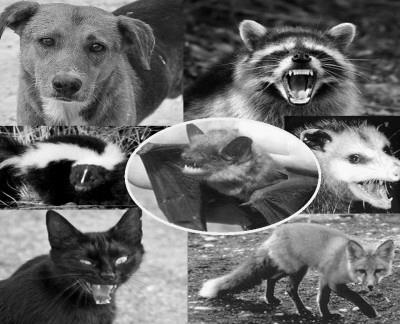
Red fox are vulnerable to
rabies, and rabid animals can infect pets or even man. They are also vulnerable
to several diseases and severe devastation can and does occur when populations
are high enough for easy transmission.
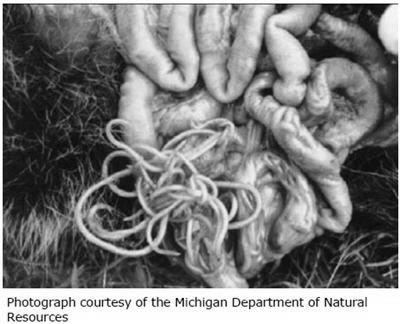
Mange and parvo enteritis are two
of the most serious fox diseases. Mange is caused by mites which tunnel into
the fox's skin, causing irritation and loss of fur. Infections occur as a result
of the growing eggs and excrement in the the skin, and caking or crusting occurs
particularly around the eyes and nose of the infected fox. Nearly naked tails
are observed in mange infested fox, and it appears that nearly all foxes infected
with mange die slow and painful deaths.
Parvo is a virus that appears
to be a mutation of feline distemper. It is probably spread by contact between
infected individuals, and symptoms include fever, diarrhea and nervous disorders.
Juvenile animals appear to have less resistance to this disease.
12
years of age is considered old for a red fox.


Source: NTA Trapping Handbook by Tom Krause